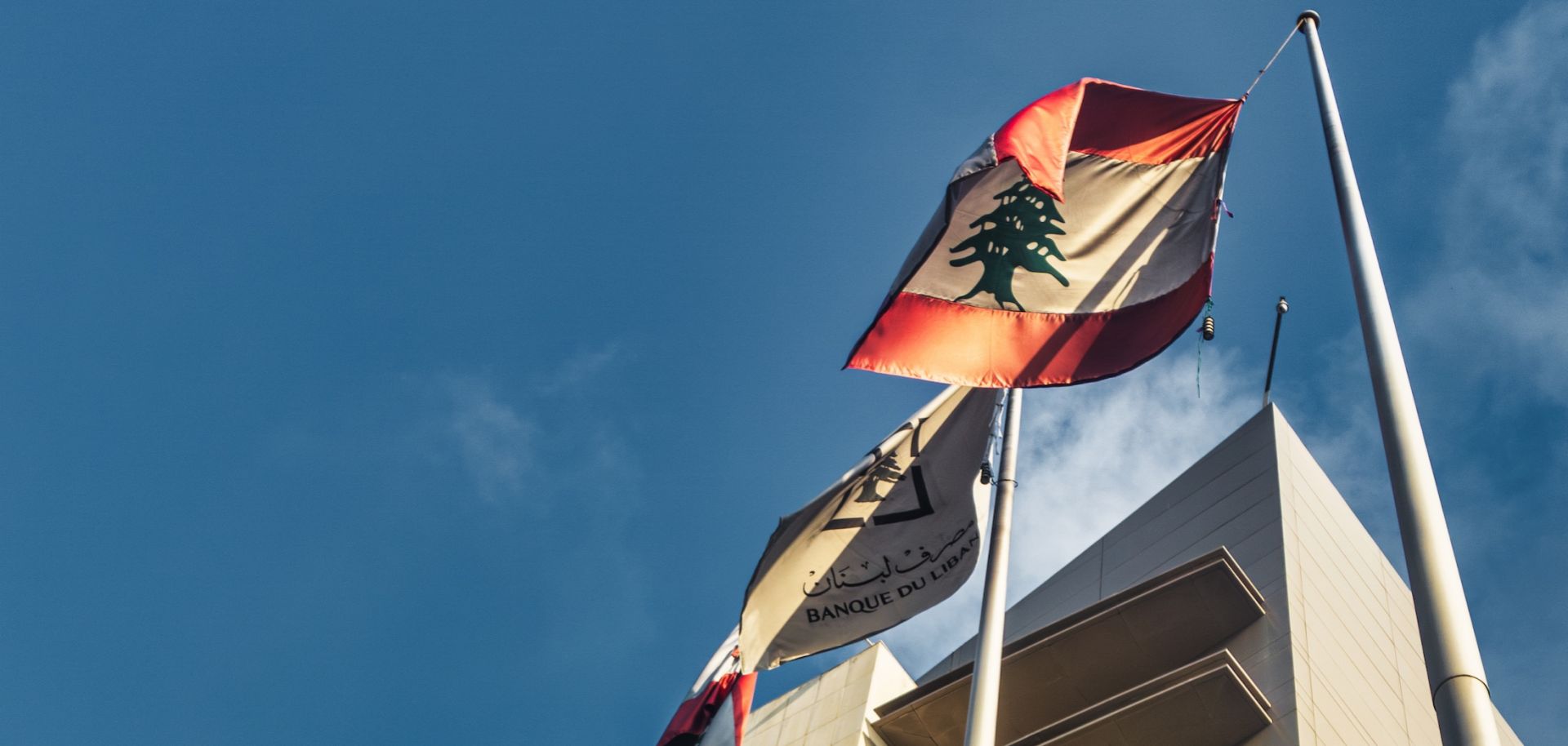
The Lebanese government's contentious banking reform proposal will face obstacles in parliament and, even if adopted, Beirut will need to balance repayment with debt sustainability, but successful implementation would mark progress toward an IMF program and likely boost short-term economic growth. Nearly two weeks have passed since a delegation from the International Monetary Fund (IMF) completed a Feb. 10-13 visit to Beirut to discuss Lebanon's recent efforts to restructure its banking sector after the Lebanese Cabinet advanced the draft Financial Stabilization and Depositor Recovery law, or "gap law", for consideration by parliament. The bill's main provision is to repay Lebanese depositors up to $100,000 in cash over a four-year period and, over time, restore depositor confidence in the Lebanese banking system. Small depositors -- those with deposits under $100,000 -- comprise around 85% of all Lebanese accounts, and the total cost of repaying them is estimated to be around $20...