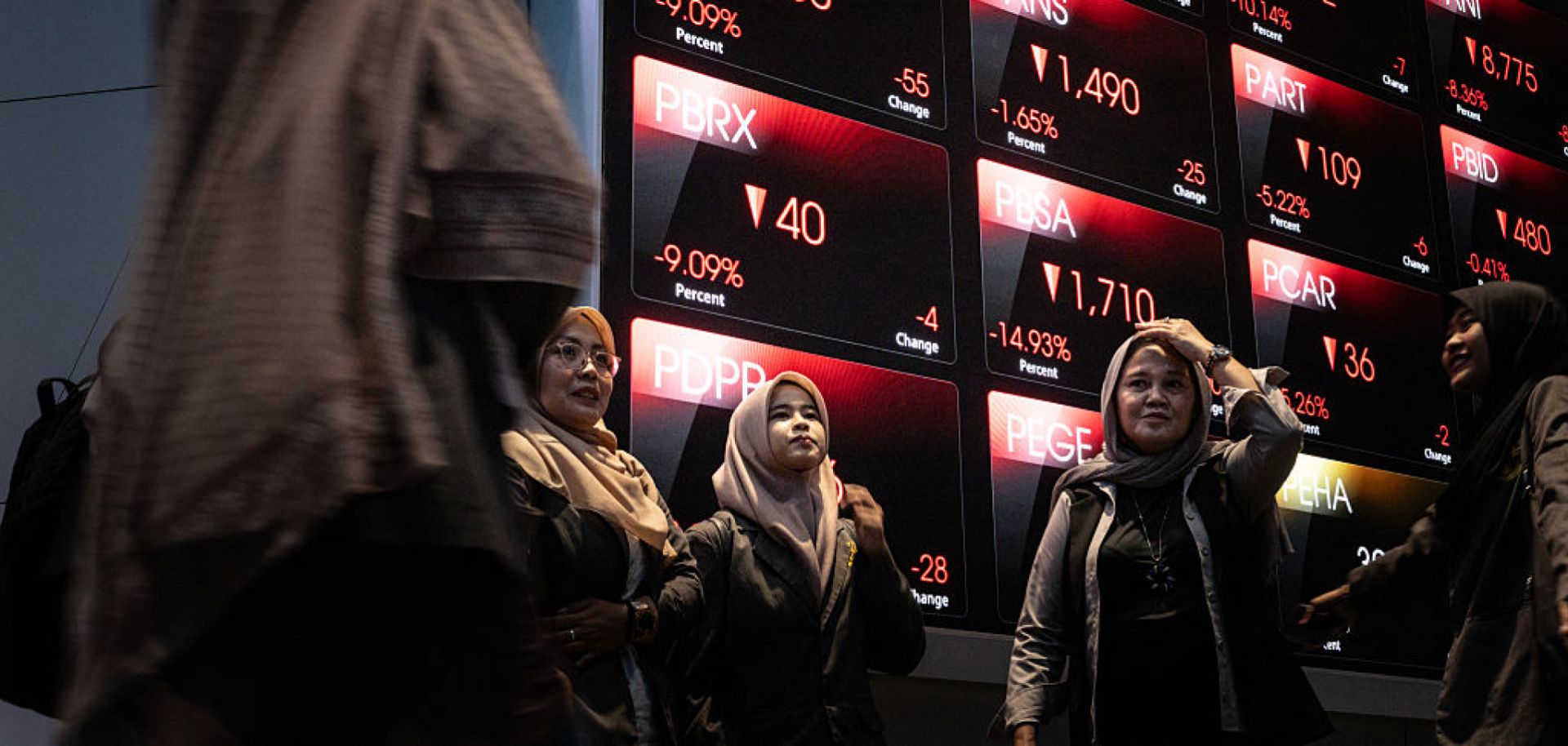
Indonesia's market rout has exposed deeper structural and governance vulnerabilities that now threaten investor confidence, complicate the government's investment-led growth strategy and raise risks to the country's competitiveness as a regional manufacturing hub. On Jan. 29, Indonesia's equity market sold off sharply after MSCI, a U.S.-based global index provider, raised concerns about the "investability" of Indonesian equities. MSCI cited opaque ownership structures, a small proportion of shares available for public trading and insufficient transparency around trading and shareholder data, and warned that Indonesia's equity market could be downgraded from "emerging market" to "frontier market" status if deficiencies were not addressed ahead of MSCI's scheduled May index review. Following the warning, the benchmark Jakarta Composite Index fell more than 8% over two consecutive trading days, including a steep intraday decline on Jan. 30 that triggered an automatic trading halt under exchange volatility rules. The selloff wiped out an estimated $80 billion...